
What is considered personal property opens up a fascinating discussion about the various assets we own that aren’t tied to the land beneath our feet. From your smartphone to your cherished collection of vinyl records, personal property encompasses an array of items that play pivotal roles in our daily lives.
Understanding the legal definition of personal property, its types, and the rights and responsibilities that accompany ownership is crucial for anyone looking to protect their assets. This knowledge not only helps you navigate your own possessions but also clarifies the distinctions between personal and real property.
Definition of Personal Property
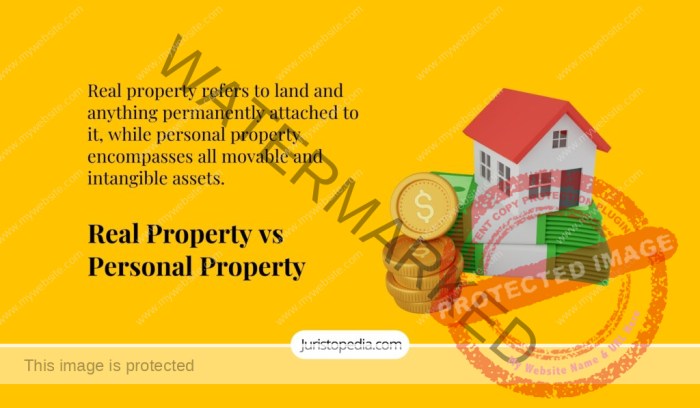
Personal property refers to all movable items owned by an individual or entity that are not fixed to, or associated with, the land. It is distinct from real property, which includes land and anything permanently attached to it. Understanding personal property is crucial as it encompasses various assets that hold value and can be transferred or sold.Legally, personal property is classified into two categories: tangible and intangible.
Tangible personal property includes physical items that can be touched, while intangible personal property consists of non-physical assets that represent value.
Examples of Personal Property
A variety of items qualify as personal property, and recognizing these can help in various contexts, such as estate planning or legal disputes. Examples include:
- Vehicles such as cars, trucks, and motorcycles.
- Furniture and household appliances.
- Clothing and personal accessories.
- Jewelry and collectibles like coins or stamps.
- Electronics including computers and mobile devices.
- Stocks, bonds, and other financial assets.
Each of these items can typically be bought, sold, or transferred independently of real estate.
Differences Between Personal Property and Real Property
The distinction between personal and real property is fundamental in law, particularly concerning ownership rights, taxation, and transfer procedures. Real property encompasses land and anything attached to it, while personal property is mobility-oriented. Key differences include:
- Mobility: Personal property is movable, whereas real property is immovable.
- Ownership Transfer: Personal property can often be transferred through simple sale or gift, while real property usually requires formal processes like deeds.
- Taxation: Personal property may be subject to different taxation rules compared to real property.
- Duration of Ownership: Personal property tends to have a shorter lifespan than real property, which may appreciate over time.
Understanding these differences is vital for individuals navigating legal systems, financial planning, or asset management.
“Personal property encompasses all movable items owned by an individual or entity that are not fixed to, or associated with, the land.”
Types of Personal Property
Personal property encompasses a variety of items that individuals or businesses own, and it’s typically categorized into two main types: tangible and intangible. Understanding these categories is essential because they influence various aspects of daily life, from ownership rights to taxation. The significance of personal property is evident in its impact on our daily lives, providing us not just with the necessities but also with personal satisfaction and financial security.
Whether it’s the car we drive, the smartphone we use, or the investments we hold, personal property plays a crucial role in shaping our experiences and interactions.
Tangible Personal Property
Tangible personal property refers to physical items that can be touched or seen. This category includes a wide range of objects, and they are typically easy to identify and value. Here are some examples of tangible personal property found in various contexts:
- Residential Context: Furniture, electronics, clothing, jewelry, and vehicles are common types of tangible personal property that people own in their homes.
- Commercial Context: Equipment, inventory, machinery, and office supplies represent tangible personal property that businesses utilize to operate effectively.
Intangible Personal Property
Intangible personal property consists of non-physical assets that still hold value. This type of property can be more complex to assess and manage. Examples of intangible personal property include:
- Financial Assets: Stocks, bonds, and bank accounts are considered intangible personal property, representing value without physical form.
- Intellectual Property: Patents, copyrights, and trademarks fall under intangible personal property, protecting creators’ rights and innovations.
- Digital Assets: Cryptocurrency, domain names, and social media accounts are modern forms of intangible property that are becoming increasingly relevant.
The categorization of personal property into tangible and intangible forms is significant as it affects how these assets are treated under the law, how they can be transferred or sold, and how they are taxed. Recognizing the differences can help individuals and businesses make informed decisions regarding ownership, investment, and estate planning.
Rights and Responsibilities Associated with Personal Property
When it comes to personal property, understanding the rights and responsibilities that come with ownership is crucial. Personal property refers to movable items that individuals own, and the legal framework surrounding this ownership grants specific rights while imposing certain responsibilities on the owner. Recognizing these aspects helps individuals manage their assets effectively and navigate the potential challenges of ownership.The rights associated with personal property ownership allow individuals to control, use, and enjoy their possessions.
These rights are essential for ensuring personal autonomy and can be categorized into several key areas.
Rights of Personal Property Owners
Owners of personal property possess several rights that empower them to manage their assets effectively. These rights include:
- Right to Use: Owners have the right to utilize their property as they see fit, which encompasses using, leasing, or altering the property, provided it does not infringe on the rights of others.
- Right to Transfer: Owners can sell, donate, or bequeath their property to others, allowing for the transfer of ownership as desired.
- Right to Exclude: Property owners can restrict access to their property, enabling them to control who can or cannot use it.
- Right to Earn Income: Owners can generate income from their property, such as renting out a vehicle or a piece of furniture.
Understanding these rights helps ensure that personal property owners can fully exercise their ownership while respecting the rights of others.
Responsibilities of Personal Property Owners
Ownership of personal property comes with its share of responsibilities that are equally important to uphold. These responsibilities ensure the protection of the property and respect for the rights of others. Owners are generally expected to:
- Maintain the Property: Owners must take care of their property, ensuring it remains in good condition and does not pose risks to others.
- Pay Taxes: Many jurisdictions require property owners to pay taxes on their assets, contributing to local infrastructure and services.
- Adhere to Local Laws: Owners must comply with relevant laws and regulations regarding property use, such as zoning laws or safety standards.
- Insure the Property: Obtaining appropriate insurance protects against financial loss due to theft, damage, or other unforeseen events.
These responsibilities not only help in preserving one’s property but also foster a sense of community and accountability.
Methods for Protecting Personal Property
Safeguarding personal property is a vital aspect of ownership. Several effective methods exist to protect assets from loss, damage, or theft, which include:
- Insurance: Purchasing the right insurance policy, such as homeowners or renters insurance, is crucial for covering potential losses. These policies often provide financial protection against theft, natural disasters, and liability claims.
- Legal Measures: Utilizing legal tools like contracts, wills, or trusts can safeguard personal property from disputes or unauthorized claims. For instance, creating a will ensures that personal property is distributed according to the owner’s wishes after death.
- Physical Security: Investing in security systems, locks, and safes can deter theft and protect valuable items. Measures such as installing security cameras or alarm systems can significantly enhance safety.
- Inventory Tracking: Keeping an updated inventory of personal property, especially valuable items, aids in recovery if theft occurs. It also simplifies insurance claims and can help establish ownership in legal disputes.
Implementing these methods not only protects personal property but also enhances peace of mind, allowing owners to enjoy their possessions without unnecessary worry.
Closure
In conclusion, personal property is more than just belongings; it represents our rights, responsibilities, and daily interactions with the world around us. By understanding what constitutes personal property and how to safeguard it, we empower ourselves to make informed decisions that enhance our lives and protect our assets.
FAQ Guide
What items are typically classified as personal property?
Examples of personal property include vehicles, furniture, electronics, jewelry, and clothing.
How does personal property differ from real property?
Real property refers to land and anything permanently attached to it, while personal property consists of movable items not affixed to land.
What rights do I have as a personal property owner?
You have the right to use, sell, lease, or dispose of your personal property as you see fit, as long as it doesn’t violate any laws.
How can I protect my personal property from loss or theft?
Utilizing insurance policies, installing security systems, and keeping an inventory of valuable items are effective strategies for protection.
Are personal property rights universal across different countries?
Personal property rights can vary significantly by jurisdiction, so it’s important to understand the laws specific to your location.


