
Personal property coverage limits homeowners insurance is essential for safeguarding your belongings against unforeseen mishaps. As life unfolds, the items we cherish—be it electronics, furniture, or personal treasures—deserve protection that aligns with their value. Understanding the ins and outs of this coverage can help ensure you’re adequately protected, giving you peace of mind in challenging times.
This topic delves into the importance of personal property coverage, the various items typically included in your policy, and the factors that can influence your coverage limits. It’s crucial to recognize how different items are valued and the options available for adjusting your limits, ensuring your policy meets your unique needs.
Understanding Personal Property Coverage
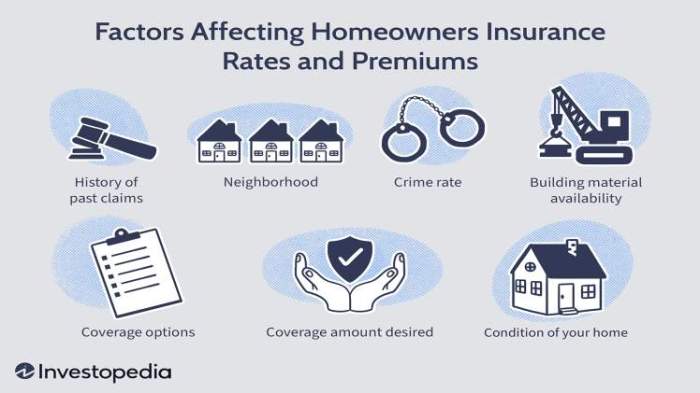
Personal property coverage is a vital component of homeowners insurance, providing financial protection for your belongings in the event of damage or loss. This coverage helps ensure that homeowners can recover the value of personal items without facing significant out-of-pocket costs. Understanding the limits of this coverage is essential for effective financial planning and risk management.
Personal property coverage typically includes a range of items that are crucial to daily life. It protects personal belongings within the home, offering peace of mind that, in the event of theft, fire, or other disasters, your essential items will be compensated for. This coverage often extends beyond the structure itself, encompassing furniture, electronics, clothing, and other valuable possessions.
Types of Personal Property Covered
A homeowners insurance policy generally includes several categories of personal property coverage. It’s important to be aware of what items are typically included, as this can affect your claims process and potential recovery.
The following categories are commonly covered:
- Furniture: This includes sofas, tables, chairs, and other furnishings that make up your living space.
- Electronics: Coverage generally includes televisions, computers, gaming systems, and appliances.
- Clothing: All forms of clothing, from everyday wear to special occasion outfits, are typically covered.
- Jewelry and Watches: While these items are often capped at a specific limit, they can also be covered if declared.
- Sports Equipment: Bicycles, exercise equipment, and gear for activities like skiing or hiking are generally included.
Coverage limits for personal property may vary based on the overall value of the insured items. For example, an individual with a high-value collection of art or antiques might require additional coverage beyond standard limits.
For items of higher value, additional endorsements or riders may be needed to ensure full protection.
Understanding these coverage limits is crucial as they directly impact how much you can claim in the event of a loss. Most standard homeowners policies provide coverage at a replacement cost or actual cash value basis, which can influence the payout amount significantly. Knowing the coverage specifics can help homeowners make informed decisions regarding their insurance needs and arrange for any necessary adjustments based on the true value of their belongings.
Factors Affecting Coverage Limits
Understanding the factors that influence personal property coverage limits is crucial for homeowners who want to ensure their possessions are adequately protected. Various elements can impact how much coverage is available under a homeowners insurance policy. Recognizing these factors not only helps in selecting the right insurance but also in determining the appropriate level of coverage needed.One significant factor is the overall value of the personal property within the home.
This can vary significantly depending on the homeowner’s lifestyle, the type of possessions they own, and any upgrades or renovations made to the home. It’s essential to accurately assess these values to avoid underinsurance or overinsurance.
Importance of Conducting a Home Inventory
A home inventory is an essential tool for homeowners when determining adequate personal property coverage levels. Creating a detailed inventory helps in identifying and valuing items, ensuring that all possessions are covered appropriately. This inventory can be a simple list or a more comprehensive record, including photographs or videos of the belongings.Conducting an inventory allows homeowners to:
- Evaluate the actual value of personal items, making it easier to select appropriate coverage limits.
- Identify high-value items that may require additional coverage or endorsements.
- Facilitate the claims process in the event of damage or loss, as a clear record of possessions will expedite claims assessments.
Methods for Estimating the Value of Personal Property
Estimating the value of personal property is a critical step in ensuring sufficient coverage. Homeowners can use various methods to arrive at accurate valuations, which can significantly influence the amount of coverage needed.The following methods are useful for estimating value:
- Cost Approach: This method involves calculating the replacement cost of an item, considering current prices for similar products. For instance, if a homeowner has a 5-year-old television, they should assess the cost of purchasing a comparable model today.
- Market Value Approach: This approach assesses how much a similar item is selling for in the current market. Researching online marketplaces or local consignment shops can provide insight into realistic selling prices.
- Appraisals: For high-value items such as jewelry, art, or collectibles, obtaining a professional appraisal is advisable. This ensures that the valuation is accurate and can substantiate the coverage level needed.
Utilizing these methods provides a comprehensive view of personal property value and assists in making informed decisions regarding insurance coverage. Keeping up-to-date valuations is also essential, as property values can fluctuate over time.
Options for Increasing Coverage Limits
Homeowners often find themselves in situations where their personal property coverage limits may not fully protect their valuable belongings. Increasing coverage limits can provide peace of mind and ensure that high-value items are adequately insured against loss or damage. This section will explore various options available for homeowners to enhance their personal property coverage.One of the most effective ways to increase personal property coverage is through endorsements or riders.
These are additional provisions added to your standard homeowners insurance policy that extend coverage to specific high-value items or categories of property. This approach allows homeowners to tailor their insurance to fit their unique needs without having to wholly redesign their policy structure.
Add Endorsements or Riders for High-Value Items
When considering adding endorsements or riders to a homeowners insurance policy, it’s essential to understand the process and the types of items that typically require extra coverage. Endorsements can cover a variety of high-value personal property like jewelry, artwork, collectibles, or electronics. Here’s a guide to navigating this process:
1. Assess Value
Start by assessing the value of the items you want to insure. It’s helpful to have appraisals or receipts to support your claims.
2. Contact Your Insurer
Reach out to your insurance agent or company to discuss the specific items you want to add coverage for. They can Artikel the types of endorsements available and their costs.
3. Review Policy Options
Your insurer may offer specific riders that cover personal property, such as a “Scheduled Personal Property” endorsement, which provides coverage for listed items at their appraised values.
4. Complete Required Documentation
Fill out any necessary forms and provide supporting documents, such as appraisals or photographs, to verify the items’ value.
5. Confirm the Cost
Understand the premium adjustments that come with the added endorsements and ensure they fit within your budget.
6. Review Your Policy Annually
Regularly reassess your high-value items and adjust your endorsements as needed, especially after significant purchases.
“Adding endorsements for high-value items ensures you have the right level of protection for your most cherished possessions.”
Homeowners may find themselves needing to adjust their coverage limits in various common scenarios, such as:
Purchasing Expensive Jewelry
After acquiring a valuable engagement ring or heirloom jewelry, homeowners should consider increasing their coverage.
Renovations
Major home improvements, such as adding a home theater system or a collection of fine art, can elevate the value of personal property.
Collectible Items
If you own collectibles like vintage toys or rare coins, an increase in coverage may be necessary to protect these investments.
New Electronics
With the constant evolution of technology, upgrading to higher-end electronics can necessitate additional coverage.By being proactive and tailoring insurance policies with endorsements or riders for high-value items, homeowners can safeguard their personal property effectively and avoid potential financial loss in the event of an unexpected incident.
Final Wrap-Up
In summary, understanding personal property coverage limits in homeowners insurance is vital for effective protection of your assets. By evaluating your possessions, considering coverage options, and staying informed about how to increase your limits, you can confidently navigate the complexities of homeowners insurance. Make sure your belongings are secure and adequately covered, as peace of mind is just as valuable as the items you protect.
Answers to Common Questions
What is personal property coverage?
Personal property coverage protects your belongings in your home from losses due to events like theft, fire, or natural disasters.
How are personal property coverage limits determined?
Limits are typically based on the overall value of your personal possessions, including factors like item type, age, and condition.
Can I increase my personal property coverage limits?
Yes, you can increase your limits by adding endorsements or riders to your policy, especially for high-value items.
What should I do if my personal property value increases?
Regularly review and update your home inventory to ensure your coverage reflects your current personal property value.
Are there exclusions in personal property coverage?
Yes, most policies have exclusions such as certain high-value items or specific types of damage, so it’s important to review your policy details.


